
Essential Considerations When Hiring an Estate Planning Attorney in Charleston, SC
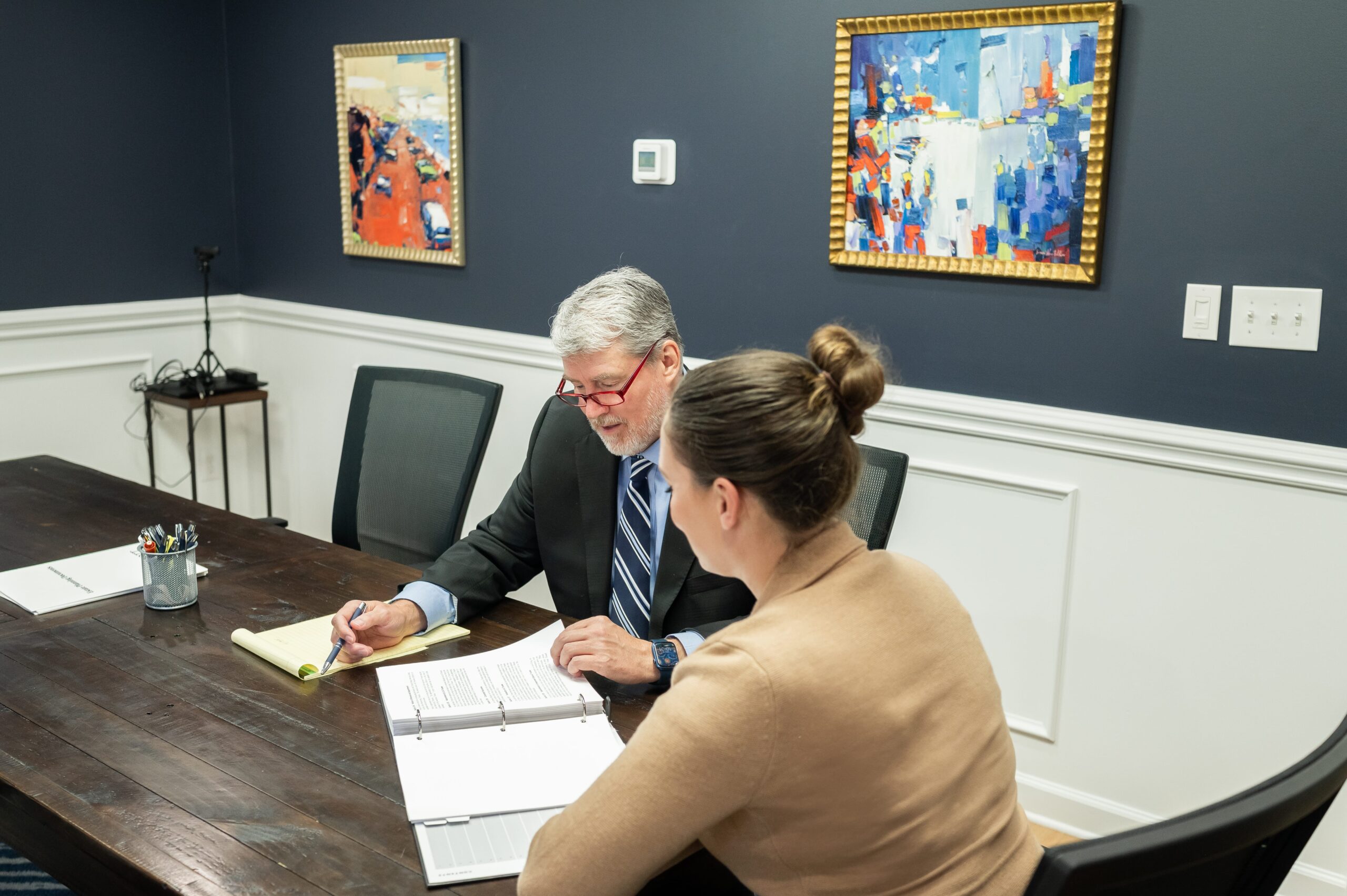
Understanding the Role of an Estate Planning Attorney
What Do Estate Planning Attorneys Actually Do?
An estate planning attorney in Charleston SC plays a pivotal role in the management and distribution of an individual’s assets upon their death or incapacitation. Their primary responsibility is to assist clients in creating a comprehensive estate plan that reflects their wishes regarding asset distribution, guardianship of minors, and healthcare decisions. Key documents often include wills, trusts, powers of attorney, and advance healthcare directives. These attorneys ensure that all documents comply with state laws, minimizing the potential for disputes and ensuring that they hold up in court.
A crucial aspect of their role is to educate clients on different estate planning instruments. Not all families or situations are the same, and an estate planning attorney in Charleston SC will tailor a plan to fit individual needs, taking into consideration the specific assets owned, family dynamics, and potential tax implications. This personalized approach ensures that your estate plan is not just a generic template but a strategy carefully designed to reflect your unique circumstances and goals.
The Difference Between General Lawyers and Estate Planning Specialists
While general lawyers can perform a range of legal tasks, estate planning is a specialized field that requires a deep understanding of both legal intricacies and potential life implications for clients and their heirs. An estate planning attorney is equipped with specific knowledge about tax laws, probate regulations, and trust management that general lawyers may not possess. This specialized knowledge is crucial for establishing legally sound and tax-efficient plans.
Every state, including South Carolina, has its own laws regarding wills and trusts, and estate planning attorneys are explicity trained to navigate these laws effectively. Having an attorney who understands the nuances of Charleston’s estate laws can save clients significant trouble and cost down the line. Additionally, an established estate planner will be familiar with local judges and probate court processes, enhancing the efficiency of the estate settlement process.
Why You Can’t Just Use a DIY Will Template
The proliferation of DIY estate planning tools and will templates might create the illusion that anyone can draft their own estate plan without professional help. However, relying on these templates can lead to significant pitfalls. Estate planning often involves complicated legal language and provisions that must be constructed to fulfill specific requirements and intentions. A DIY approach can lead to vague or incomplete provisions, which may ultimately result in disputes among heirs or unintended distributions.
Moreover, legal documents must comply with stringent statutory requirements to be valid. A small error or oversight in these documents can render them unenforceable, potentially leading to costly probate litigation that a well-drafted estate plan is designed to avoid. Estate planning attorneys provide not only the knowledge to craft valid documents but also the foresight to anticipate future needs, such as disability planning and tax strategies, that templates often overlook.
Key Qualities to Look for in Your Estate Planning Attorney
Experience and Expertise: The Backbone of Good Planning
When choosing an estate planning attorney in Charleston, consider their experience and area of expertise. An attorney with a long track record in estate planning is likely to have encountered a multitude of scenarios and challenges from which they can draw solutions for your specific situation. This experience translates into a nuanced understanding of how to craft a plan that not only meets legal requirements but also addresses the emotional and relational dynamics of families.
Look for indicators of expertise, such as active membership in professional organizations like the National Association of Estate Planners & Councils or the South Carolina Bar Association’s Estate Planning and Probate Section. Involvement in these groups often signifies a commitment to staying updated on legislative changes and trends in the estate planning field. Seek out client testimonials or case studies that illustrate the attorney’s ability to construct effective plans that have benefitted other clients.
Communication Skills: How Do They Explain Complex Concepts?
Effective communication is essential when working with an estate planning attorney. Estate planning involves intricate legal principles, and it’s imperative that you thoroughly understand your options and the potential implications of each decision. A qualified attorney should be able to break down complex legal jargon into understandable terms without sacrificing depth or insights. This ability fosters open discussions and productive collaborations, enabling you to make informed decisions about your future and that of your beneficiaries.
During initial consultations, pay attention to how they respond to questions. Are they personable and approachable? Do they encourage dialogue by asking follow-up questions or seeking clarification on your goals? An attorney who values clear communication will build a more effective partnership and ensure that all aspects of your estate plan are executed precisely as intended.
Trustworthiness and Integrity: The Foundation of Your Financial Future
Trust is a cornerstone of any attorney-client relationship, especially when it comes to estate planning where sensitive and significant financial matters are at stake. The essence of estate planning is to ensure that your assets are distributed according to your wishes without undue complications or disputes. A trustworthy estate planning attorney will prioritize your interests, offer ethical advice, and act in accordance with your goals.
Seek out attorneys who have earned a reputation for integrity within the community. Investigate their legal standing, reviews, and any disciplinary history. A good estate planning attorney should be willing to provide references from past clients so you can gain insights into their working style and ethical approach. Remember, this is a partnership for the long haul—you want to select someone you can trust while navigating what can often be emotional and difficult decisions.
Navigating Fees and Costs: What to Expect
Understanding Hourly Rates vs. Flat Fees: What’s More Cost-Effective?
When engaging with an estate planning attorney, understanding their fee structure is essential for managing your budget effectively. Attorneys commonly charge by the hour, while others offer flat fees for specific services. Hourly rates can vary significantly based on the attorney’s experience and the complexity of your estate planning needs. For simpler estate plans, such as a straightforward will, a fixed fee structure may often turn out to be more cost-effective, while for more complex scenarios, hourly rates may be unavoidable yet manageable if carefully estimated upfront.
It is advisable to obtain a clear, written estimate of potential expenses, including retainer fees, court filing costs, and potential costs associated with the management of trusts if applicable. Some attorneys may be open to flexible payments based on the specific plan you are devising. Additionally, ensure you fully understand what services are being included in the quoted fees, as the scope can vary widely between different attorneys, impacting the overall costs. Having transparent discussions about fees not only helps avoid misunderstandings but also sets a clear expectation about the provided services.
Hidden Costs to Watch Out For: Don’t Let Surprise Fees Trip You Up
While evaluating the cost of hiring an estate planning attorney, it’s vital to remain vigilant about hidden costs that may arise. Some attorneys may charge additional fees for filing documents in probate court, reviewing or updating existing plans, or even for consultations beyond initial meetings. It is crucial to clarify what is included in your fee agreement and discuss potential additional charges that could impact your overall costs.
Moreover, consider the implications of litigation costs if disputes arise between beneficiaries or if your estate plan is contested. Some plans may take much longer than anticipated to administer due to legal complications, and these delays can lead to mounting fees. Understanding these variables will empower you to make informed decisions to mitigate surprises down the road, ultimately safeguarding your financial legacy.
Value vs. Cost: How to Assess the Worth of Your Investment
Assessing the value of hiring an estate planning attorney goes beyond just the initial cost. When considering potential outcomes, think about the significant peace of mind that a well-structured estate plan can provide, making it a worthy investment in your family’s future. The essence of estate planning is not just to protect assets but to ensure that your wishes are carried out, facilitating a smoother transition for your loved ones during challenging times.
When weighing the cost against the value of comprehensive and tailored estate planning services, consider various factors: the attorney’s track record, level of personalization in their approach, and depth of understanding regarding your unique needs. A seasoned estate planning attorney can potentially save your heirs significant sums and emotional distress by avoiding costly probate battles and minimizing taxes through effective strategies identified during your planning process. Thus, while the initial financial outlay may seem daunting, the long-term benefits can far outweigh the costs involved.
Common Misconceptions About Estate Planning in Charleston
Estate Planning Is Only for the Wealthy: Debunking the Myth
One of the most pervasive misconceptions surrounding estate planning is that it is only necessary for the wealthy. In reality, everyone can benefit significantly from having a comprehensive estate plan, regardless of their financial status. This misconception discourages many individuals from engaging with estate planning services, often resulting in their loved ones confronting unnecessary legal hurdles and financial burdens upon their passing.
Estate planning encompasses more than just the transfer of significant assets; it involves making arrangements for the distribution of personal belongings, ensuring guardianship of minor children, and appointing a trustworthy individual to make healthcare decisions when you are unable. These aspects are crucial for every family, irrespective of wealth. Furthermore, without a proper estate plan, state laws will dictate the distribution of your assets, which may not align with your wishes. Thus, everyone deserves personalized estate planning assistance that ensures both protection and peace of mind.
Thinking You Can Wait: Why Timing Is Everything
Many people procrastinate when it comes to estate planning, often believing that it can wait until later in life or until significant life changes occur. This line of thinking can be detrimental, as unexpected events such as accidents, health issues, or sudden incapacitation can occur at any time. A well-constructed estate plan should be proactive rather than reactive, preparing for unforeseen circumstances. Adopting an ‘I’ll get to it later’ mentality increases the risk of omitting critical planning elements or failing to update existing documents, resulting in inadequate protection for you and your loved ones.
Additionally, laws change over time; what might be an effective plan today could become outdated with shifting regulations or personal circumstances. Waiting to establish an estate plan often creates complications that are difficult and time-consuming to resolve, potentially costing families much more in the long run. Facing these realities early not only allows for an organized plan but also provides peace of mind that protects your family’s future no matter the curveballs life throws your way.
Myths About Trusts: Are They Really Only for the Rich?
Another misconception frequently associated with estate planning is that trusts are exclusively for the affluent. In truth, trusts can be highly beneficial for individuals across a spectrum of wealth levels. A trust serves as a flexible estate planning tool that allows individuals to control how their assets will be managed and distributed after their death, often helping to avoid the lengthy probate process and providing privacy that a will does not offer.
Trusts can also serve various purposes, from special needs trusts designed for a beneficiary with disabilities to revocable living trusts that allow for asset management during the grantor’s lifetime, enabling flexibility and control throughout. These various forms of trusts can safeguard a family’s financial health, streamline the transfer of assets, and reduce potential tax liabilities. In Charleston, it’s essential for individuals of all financial backgrounds to understand the numerous options available to them, including trusts, and to work with an estate planning attorney who can help tailor solutions to meet specific needs.


