
How To Get A Green Card Fast: What Works, What Doesn’t, And What You Should Know in 2025?
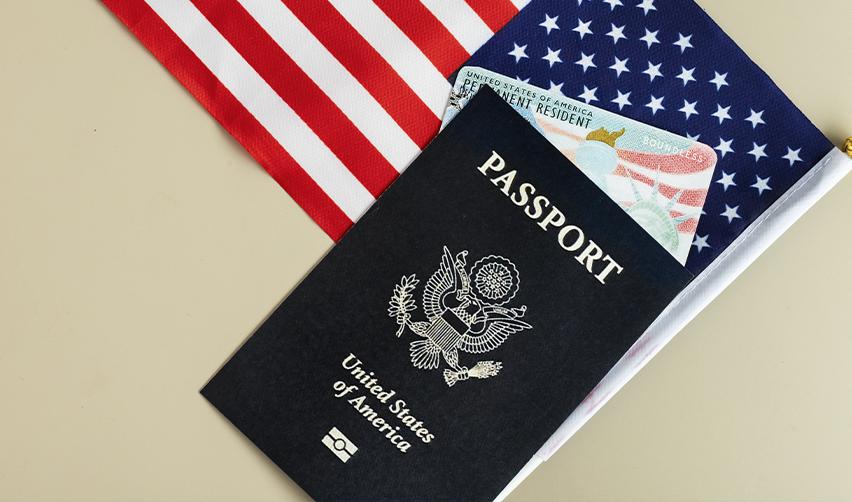
How to get a green card fast is one of the most common questions in U.S. immigration today—and in 2025, the answer depends on more than just paperwork. Processing times vary wildly, from under a year to well over a decade, depending on your visa category, country of origin, and filing strategy.
Speed isn’t just about luck. It’s about choosing the right path, avoiding delays, and knowing which options actually work. This guide covers the fastest ways to get a green card in 2025, what slows you down, and what to steer clear of if you want results without regrets.
What “Fast” Really Means in Green Card Processing?
“Fast” is relative. For immigration purposes, a fast green card timeline means 6 to 12 months. A typical timeline often extends to 18–36 months—or longer if you’re from a country with high demand like India or China.
Speed depends on several factors:
- Category of your green card application
- Availability of premium processing
- USCIS workload and case backlogs
- Your nationality and priority date
- Whether you’re already in the U.S. or applying abroad
According to USCIS, the average I-140 employment-based petition processing time in early 2025 is 5.5 to 14.5 months—unless you use premium processing, which can shrink that timeline to just 15 calendar days.
Fastest Ways To Get A Green Card In 2025
Some green card categories consistently deliver faster results—if you qualify. Here’s what works best right now:
1. EB-1A: Extraordinary Ability (No Job Offer Needed)
The EB-1A category is one of the fastest ways to get a green card for individuals who are recognized at the top of their field—whether that’s in science, the arts, education, business, or athletics. You don’t need a job offer or employer sponsor, which means you can self-petition and move through the process independently.
This category qualifies for premium processing and typically has current priority dates, especially for applicants from countries without visa backlogs. Skipping the labor certification step also saves several months.
2. EB-1B: Outstanding Researchers and Professors
EB-1B is designed for researchers and professors who have demonstrated international recognition in their academic field. To apply, you’ll need a job offer from a U.S. university or research institution.
This category also qualifies for premium processing, doesn’t require PERM labor certification, and benefits from first-preference visa availability. If you meet the eligibility standards, this option often moves significantly faster than other employer sponsorship categories.
3. EB-2 NIW: National Interest Waiver (Self-Petition Option)
The EB-2 NIW is a strong choice for professionals in areas like STEM teachers, public health, energy, or environmental work—especially if your expertise benefits the United States as a whole. You don’t need a job offer, employer sponsor, or labor certification, which eliminates several bureaucratic hurdles.
With premium processing now available for NIW petitions, this path has become even more efficient. Applicants with advanced degrees or proven impact in their field often find this option both accessible and fast-moving.
4. Marriage to a U.S. Citizen
If you’re legally married to a U.S. citizen, you fall under the immediate relative category, which is not subject to annual visa limits.
This makes it one of the fastest family-based immigration routes. In 2025, the average processing time for the I-130 petition is about six to eight months, and adjustment of status typically takes an additional eight to twelve months when filed together.
The process is especially efficient if the foreign spouse is already in the U.S. with valid status. However, you must provide credible evidence that the marriage is genuine and not entered into for immigration purposes.
5. Green Card Lottery (Diversity Visa Program)
The Diversity Visa (DV) lottery offers green cards to applicants from countries with historically low immigration rates to the U.S. Each year, about 55,000 people are selected through a randomized draw.
If chosen, applicants can complete the process within 12 to 18 months, making it a relatively fast option. The main challenge lies in winning—over 22 million people applied for the 2024 DV program, according to the U.S. Department of State. Still, for those selected, it’s a direct and efficient path to residency.
6. Special Categories with Expedited Processing
Several other immigration categories allow for faster processing under certain conditions. For example, asylees and refugees can apply for a green card one year after receiving asylum or refugee status. Afghan and Iraqi nationals who worked with the U.S. government may be eligible under the Special Immigrant Visa (SIV) program.
In addition, military service members and certain family members can benefit from parole-in-place or expedited adjustment of status. While these aren’t options for most applicants, they provide critical fast-track routes for those who qualify under specific humanitarian or service-related circumstances.
What Slows You Down?
Even eligible applicants face delays if they choose the wrong strategy. These are the main bottlenecks in 2025:
1. PERM Labor Certification
PERM Labor Certification process ensure that no qualified U.S. workers are available for the job. It adds 6–12 months or more to your timeline.
If you’re applying under EB-2 or EB-3 with employer sponsorship, you’re almost always required to go through PERM—unless you’re using a waiver like EB-2 NIW.
2. Visa Backlogs for Certain Countries
If you’re from India, China, Mexico, or the Philippines, you may face long waits because of per-country limits. These can stretch your green card timeline to years—even decades—if you’re in a low-priority category.
Example: EB-3 applicants from India currently have a priority date backlogged to 2012.
Stay current with the Visa Bulletin to check if your priority date is current.
3. Mistakes in Your Application
Even small errors—like inconsistent dates, missing signatures, or outdated forms—can result in Requests for Evidence (RFEs) or denials. RFEs can delay your process by 2 to 6 months or more.
Avoid this by:
- Double-checking all forms
- Including all required evidence
- Getting professional legal help when needed
What Doesn’t Work (But People Still Try)?
To exacerbate the problem, many applicants fall for shortcuts that either don’t work or get them into legal trouble.
1. Paying Someone to “Speed Things Up” Illegally
There is no legal way to bribe or pay someone to prioritize your case. Anyone who offers this is running a scam.
2. Marriage Fraud
Some think a sham marriage is a shortcut to a green card. In reality, it’s a federal crime that can lead to:
- Deportation
- Criminal charges
- A lifetime ban from entering the U.S.
USCIS interviews and background checks are designed to catch fraudulent marriages. Don’t risk it.
3. Overstaying a Tourist Visa and Filing for Adjustment
Staying in the U.S. unlawfully and trying to adjust status later doesn’t work for most people. You may trigger a 3- or 10-year bar on reentry if you leave the U.S. after overstaying.
4. Investing Without Meeting EB-5 Requirements
Some assume buying a small business grants green card eligibility. It doesn’t—unless you meet strict EB-5 rules:
- Invest at least $800,000–$1.05 million
- Create 10 full-time U.S. jobs
- Go through a multi-step adjudication process
It’s not fast. It’s not cheap. And it’s not for everyone.
Premium Processing: When It Works—and When It Doesn’t?
Premium processing is the closest thing to a legal “fast pass.” For a $2,805 fee, USCIS promises to review your petition within 15 calendar days.
It applies to:
- Form I-140 (EB-1A, EB-1B, EB-2 NIW)
- Some Form I-129 (temporary work visas)
But it doesn’t apply to:
- Form I-130 (family petitions)
- Adjustment of status (Form I-485)
- Visa bulletin priority dates
Use it strategically—especially for employment-based petitions where you want to lock in an early priority date or accelerate processing.
Conclusion
If you want to know how to get a green card fast, the answer isn’t one-size-fits-all. It depends on your profession, background, and strategy. EB-1A, EB-1B, and EB-2 NIW are your strongest options if you meet the criteria. Marriage to a U.S. citizen is still the quickest family route. And premium processing helps, but only for certain petitions.
Avoid shortcuts. Avoid scams. And avoid making your journey longer than it has to be.
Need help figuring out if you qualify for a fast-track green card like the EB-2 NIW? Reach out to us today. We’ll evaluate your profession and help you determine if you’re eligible for this powerful, self-sponsored immigration path.


