
Who May Be Responsible After a Commercial Vehicle Crash in Pennsylvania?
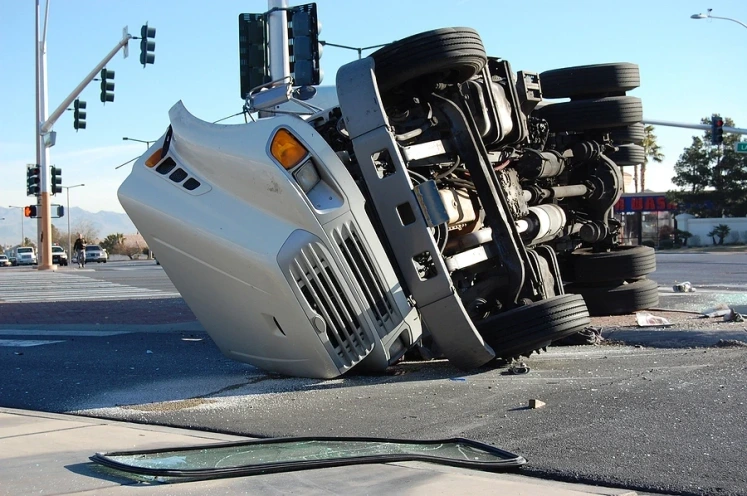
A crash with a tractor trailer, delivery van, or other work vehicle can leave you with serious injuries and a lot of unanswered questions. One of the biggest surprises for most people is that responsibility often does not stop with the driver who hit them. Commercial transportation involves employers, contractors, maintenance vendors, and sometimes leasing arrangements that can place legal duties on more than one party.
Why Commercial Cases Often Have Multiple Defendants
Commercial carriers operate under a patchwork of safety rules and internal policies. For example, federal hours of service limits restrict how long many property carrying drivers may drive and how long they may stay on duty, in part to reduce fatigue related crashes. When a company pressures driver to run unrealistic schedules, that pressure can become part of the liability story.
Ownership can also be divided. A truck can be owned by one entity, leased to another, and operated under the authority of a motor carrier whose name appears on the trailer. Sorting that out matters because it points to insurance coverage and to the parties who may have had the ability to prevent the crash.
Most injurers begin by talking with a personal injury law firm that handles commercial cases because these claims depend on evidence and records that ordinary car wrecks do not involve.
At A Glance Who May Share Responsibility
| Potentially Responsible Party | What they may have done wrong | Records That Can Help the Claim |
|---|---|---|
| Driver | Speeding distraction fatigue impairment | Dash cam witness accounts phone data logbooks |
| Motor carrier or employer | Poor hiring training supervision unsafe dispatch | Driver qualification file training policies dispatch messages |
| Owner or leasing entity | Negligent entrustment confusing lease control | Lease agreements insurance documents |
| Maintenance or repair shop | Missed inspections faulty repairs | Work orders inspection reports parts invoices |
| Shipper or loader | Improper loading or cargo securement | Bills of lading dock logs loading procedures |
| Manufacturer | Defective tire brake or steering component | Failed parts expert inspection recall history |
| Government unit | Dangerous road design signage or work zone issues | Maintenance logs prior complaints construction plans |
The details decide which row applies, and more than one often applies at the same time.
The Commercial Driver
Drivers still sit at the center of most cases. Common allegations include unsafe lane changes, following too closely, speeding, distraction, and impairment. Fatigue can also play a role. Federal rules for many property carrying drivers limit driving to 11 hours within a 14 hour on duty window after 10 consecutive hours off duty.
In practice, proving driver fault often depends on quick evidence collection. Dash camera footage, photos of skid marks and damage patterns, witness statements, and any available electronic data can help recreate what happened.
The Motor Carrier or Employer
When a driver was working at the time of the crash, the company behind the job may share responsibility. Beyond that basic employer relationship, carriers can also face direct claims tied to their own decisions such as negligent hiring, weak training, poor supervision, or ignoring safety warnings.
This is where commercial cases change tone. A company may have dispatch records showing unrealistic delivery windows, internal messages pushing drivers to keep moving, or maintenance logs showing a vehicle should have been pulled from service. A thorough investigation often looks past the crash report and into how the carrier managed safety day to day.
Owner Operator Leasing and Who Controls the Truck
Leasing arrangements create confusion because the person who owns the truck is not always the party legally responsible for operating it. Federal leasing rules generally require the authorized carrier lessee to have exclusive possession and control of the equipment for the duration of the lease and to assume responsibility for its operation.
Those rules do not automatically decide every Pennsylvania case, but they often matter when multiple companies try to point fingers at each other. Lease paperwork, insurance documents, and carrier authority records can help identify which entity held operational responsibility at the time of the crash.
Maintenance and Inspection Providers
Mechanical issues can turn a normal traffic mistake into a disaster. Brake failures, tire blowouts, steering problems, and lighting defects sometimes trace back to skipped inspections or careless repairs. Liability can fall on the motor carrier, an outside maintenance shop, or both, depending on who performed the work and who signed off on the vehicle as roadworthy.
Work orders and inspection reports often tell the story. They show what was checked, what was replaced, and whether the same problem appeared repeatedly.
Shippers Loaders and Cargo Securement Companies
Not every trucking crash starts with bad driving. Improper loading can shift weight, increase stopping distance, or cause a rollover. Cargo that is poorly secured can spill into traffic or destabilize the trailer.
If a shipper, warehouse, or third party handled the loading and securement, that entity may share responsibility. Bills of lading, dock records, and facility policies often help identify who controlled the load and what procedures were used.
Manufacturers and Defective Components
Sometimes the problem is not maintenance at all. A defective tire, brake component, or steering part can contribute to a crash even when everyone followed normal procedures. In those situations, a product liability claim may be part of the case.
The key is preservation. The vehicle and failed parts need to be kept intact so experts can inspect them. Once parts disappear, proving a defect becomes much harder.
Road Conditions and Government Responsibility
Dangerous roadway conditions can contribute to commercial crashes, especially in work zones or on poorly maintained routes. Claims involving government units come with extra requirements. Pennsylvania law includes a notice prerequisite that generally requires written notice within six months for actions against government units, with specific information that must be included.
Because those timelines can be short, people often speak with a Lancaster County personal injury lawyer early when a government vehicle, a pothole, a missing sign, or a work zone setup may have played a role.
How Shared Fault Works in Pennsylvania
Pennsylvania follows a modified comparative negligence rule. You can still recover damages as long as your negligence is not greater than the combined negligence of the defendants, and your recovery is reduced by your percentage of fault.
In real terms, insurers often look for ways to push some blame back onto the injured person. That is one reason why careful documentation matters. It is also why you should avoid guessing about speeds, distances, or reaction times in early conversations.
Evidence That Can Disappear Quickly
Commercial cases involve records that can be overwritten or discarded in the normal course of business. Examples include electronic logging data, GPS and telematics, onboard camera footage, dispatch communications, and maintenance tracking systems. Acting early can help preserve those materials before they disappear.
Deadlines You Should Know
Most Pennsylvania actions for injuries to the person must be started within two years. If a government unit may be involved, the notice requirement mentioned above can arise far earlier. These rules are fact specific, so a quick legal review can prevent missed opportunities.
When the Injured Person Was Working
Commercial crashes often involve people who were driving for work or traveling for a job. In that setting, workers compensation may cover medical care and wage loss while a separate third-party claim may exist against an at fault driver or company. A workers compensation lawyer can explain how reimbursement and liens may affect the final recovery.
Final Thoughts
When commercial insurance is involved, the case is often defended aggressively. It is common for insurers to push early statements and quick settlements before the full scope of the injuries and the available evidence are clear.
A strong claim usually comes from identifying every responsible party and backing the case with records such as electronic logs, telematics, dispatch notes, and maintenance history. If you want help evaluating liability and protecting the evidence, seek assistance from the best personal injury attorney in Lancaster county PA. They can walk you through your options.
Note: This blog is general information, not legal advice. A lawyer can apply the rules to the specific facts of your crash.


